
Showing 1–9 of 9 hospitals
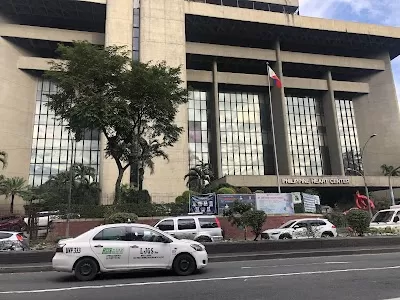
1 Philippine Heart Center
J2VX+M72, East Ave, Diliman, Quezon City, Metro Manila, Philippines
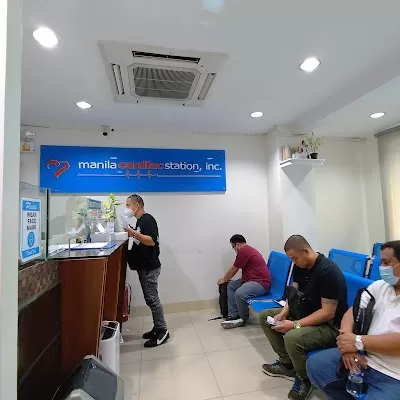
2 MANILA CARDIAC STATION INC
1923 San Marcelino St, Malate, Manila, 1004 Metro Manila, Philippines

3 Cardiovascular Care Center, Inc.
3/F 303 Rm Zone 073, Mirasol Bldg, Taft Ave, Ermita, Manila, 1000 Metro Manila, Philippine...
4 Cardiology Section - Makati Medical Center
Room 351, 3rd Floor, Makati Medical Center Building, Amorsolo Street, Makati City, 1229 Me...

5 Philippine Heart Center - Medical Arts Annex Building
10 Matalino St, Diliman, Quezon City, 1100 Metro Manila, Philippines
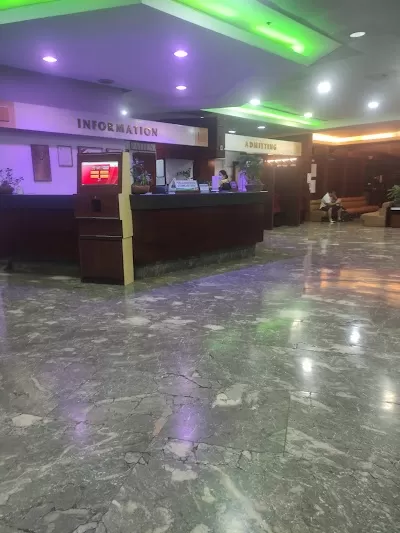
6 Admitting Section - Philippine Heart Center
Room 141, 1st Floor, Philippine Heart Center, East Ave, Diliman, Quezon City, 1101 Metro M...
7 ICU, PHILIPPINE HEART CENTER
J2VX+6GJ, Diliman, Quezon City, Metro Manila, Philippines
8 Cardiology Department - Capitol Medical Center Incorporated
Room 303, CMC V Building, Quezon Avenue, Diliman, Quezon City, 1103 Metro Manila, Philippi...
9 Cardiology Electrophysiology and Cardiac Pacing - St. Luke's Medical Center
279, Chbc Nt 1018, St. Luke's Medical Center, Eulogio Rodriguez Sr. Avenue, Quezon City, 1...
Need help choosing the right hospital?
Our medical experts will guide you — for free.
Frequently Asked Questions
About Cardiology Treatment in Manila
Cardiology deals with the heart and vascular system. Cardiologists are the one who specializes in cardiology and treat patients who have suffered heart attacks or in other words, cardiac arrests & other conditions. In addition, they also treat the patients who were born with cardiac issues and try to prevent heart disease.
Cardiology is also happened to be one of the most competitive medical specialities. For an individual to qualify as a cardiac surgeon or a cardiologist, surgeons and doctors must complete a cardiac surgery training programme that normally lasts around 5 years which is followed by their initial medical training.
Branches of cardiology:
Non-invasive cardiology - Detecting and diagnosing cardiac problems using latest techniques. Interventional cardiology - Treating heart problems by inserting tubes or catheters into the body of a patient.
However, cardiologists will normally be trained in both interventional and non-invasive techniques and deal with patients who have been fitted with pacemakers.
Treatments: Ablation, Angioplasty & Stenting, Cardiac Rehabilitation. Coronary Artery Bypass Grafting, Heart Transplant, Heart Valve Repair, Heart Valve Replacement, Implantable Defibrillator, Orthopedics Atherectomy.