Once you're home from surgery abroad, follow-up care bridges the gap. This guide covers how top hospitals offer telemedicine consultations, what to expect in virtual check-ups, sharing post-op imaging, prescriptions across borders, and when you need to see a local doctor.
The biggest concern after treatment abroad isn't the surgery itself — it's the follow-up gap. Telemedicine bridges this gap, letting you consult your overseas surgeon from home for wound checks, imaging reviews, and treatment adjustments.
Why Telemedicine Matters
Studies show that structured post-operative follow-up reduces complication rates by 30–40%. Without telemedicine, patients who've had surgery abroad face a care gap — their overseas surgeon knows their case best, but isn't physically available. Telemedicine closes this loop.
How It Works
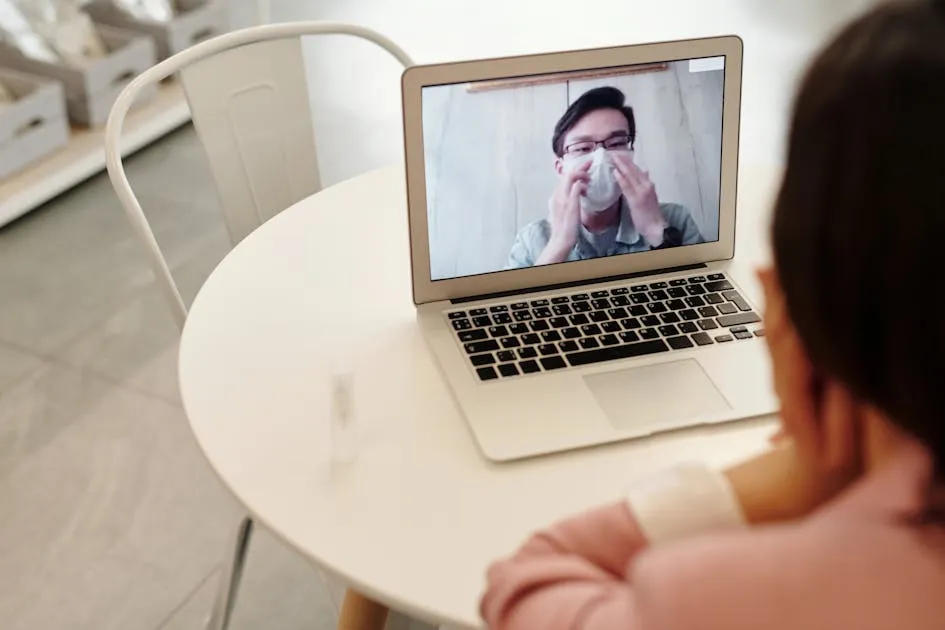
Most top international hospitals now offer scheduled video consultations via: Zoom/Teams (most common), hospital apps (some have proprietary platforms), or WhatsApp video (widely used in India, Thailand, Turkey). Sessions are typically 15–30 minutes. Cost: $30–$100 per session (some hospitals include 1–2 free follow-ups).
What Happens in a Virtual Check-Up
- Wound assessment — show surgical sites on camera (good lighting is essential)
- Symptom review — pain levels, mobility, swelling, any concerns
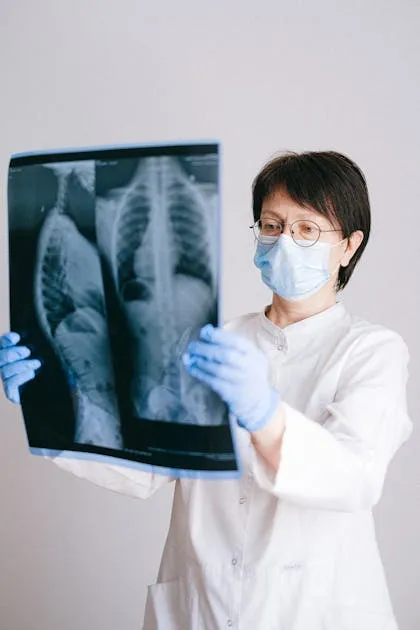
- Imaging review — surgeon reviews X-rays or scans you've had at home
- Medication adjustment — pain management, blood thinners, immunosuppression tweaks
- Physiotherapy guidance — exercise progression, activity restrictions
Sharing Post-Op Imaging
If your home doctor orders follow-up imaging (X-ray, CT, MRI), share it with your overseas surgeon via the hospital's secure portal or email. Request DICOM format from your local imaging centre. For routine X-rays, high-quality phone photos with proper orientation can suffice for preliminary review.
Prescriptions Across Borders
Your overseas surgeon's prescription is generally not valid at home pharmacies. Solution: bring a sufficient supply of all prescribed medications from abroad (typically 30–60 days), then ask your home doctor to write equivalent prescriptions for refills. Carry a detailed medication list with generic drug names.
When to See a Local Doctor
See a local doctor urgently if: sudden severe pain, signs of infection (redness, warmth, pus, fever >38.5°C), difficulty breathing, chest pain, or if you have concerns that can't wait for a scheduled telemedicine appointment. Always bring your overseas discharge summary to any local emergency visit.
Looking for the best hospital?
Let our experts help you find the right hospital for your treatment. Get a free consultation today.