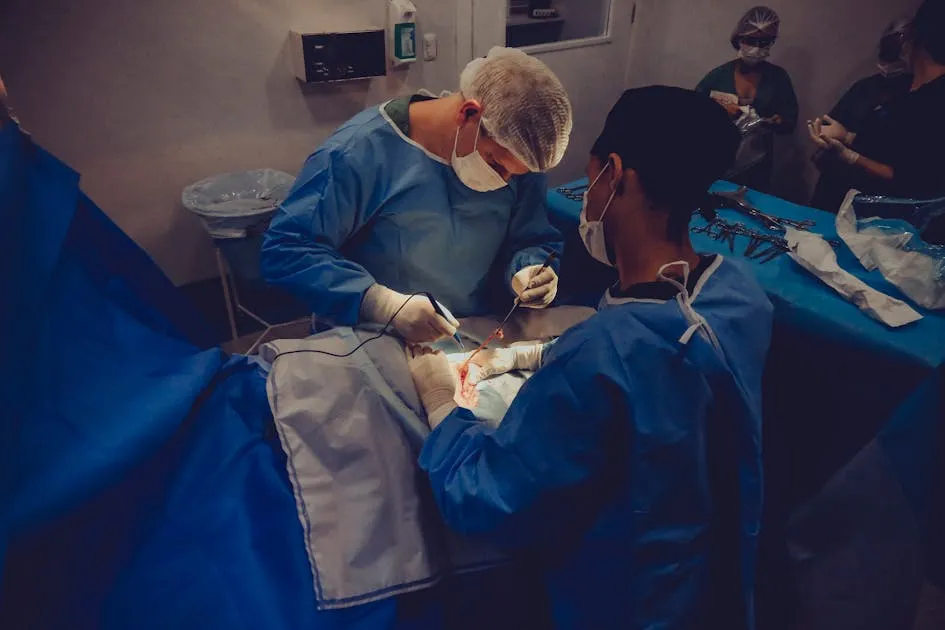
Cancer treatment costs 60–85% less abroad. From chemotherapy and radiation to robotic surgery and immunotherapy, learn how international patients access world-class oncology care.
When Does Cancer Treatment Abroad Make Sense?
Cancer treatment abroad is most appropriate in these scenarios:
- You are uninsured or underinsured — and facing bills of $100,000+ for treatment that costs $10,000–15,000 abroad
- Long waiting lists at home — In some countries, the wait for radiation therapy can be 4–8 weeks. Time matters in oncology.
- Seeking treatments not available locally — Proton beam therapy, CyberKnife, and certain immunotherapy drugs may not be available in your country
- Second opinion — Even if you ultimately treat at home, a second opinion from a world-class oncology center ($200–500 abroad) can confirm or change your treatment plan
- Multi-month treatments (chemotherapy cycles) — These are more complex logistically. Some patients do initial cycles abroad and continue at home, or vice versa.
Cancer Treatment Types Available Abroad
| Treatment | Description | Available In |
|---|---|---|
| Surgery (Robotic/Open) | Tumour removal with da Vinci robotic systems for precision. Used for prostate, kidney, colorectal, head & neck, gynecological cancers. | India, Turkey, Thailand, S. Korea |
| Chemotherapy | Systemic drug treatment. Uses same FDA/EMA-approved drugs globally (Roche, Pfizer, Merck etc.) | All major destinations |
| Radiation Therapy (IMRT/IGRT) | Targeted radiation using Varian TrueBeam or Elekta machines — identical equipment used in US hospitals | India, Turkey, Thailand |
| Proton Beam Therapy | Ultra-precise radiation that spares surrounding tissue. Ideal for brain, spinal, paediatric, and eye cancers. | India (Apollo), S. Korea, Czech Republic |
| Immunotherapy | Drugs that help your immune system fight cancer (Keytruda, Opdivo, Tecentriq). Revolutionary for melanoma, lung, and kidney cancers. | All major destinations (same drugs) |
| Bone Marrow Transplant | For blood cancers (leukemia, lymphoma). Autologous (own cells) or allogeneic (donor). | India, Turkey, S. Korea, Thailand |
Cancer Treatment Cost Comparison (2026)
| Treatment | USA | India | Turkey | Thailand |
|---|---|---|---|---|
| Cancer Surgery (Robotic) | $30,000–80,000 | $4,000–10,000 | $8,000–18,000 | $10,000–25,000 |
| Chemotherapy (per cycle) | $3,000–12,000 | $300–2,000 | $500–3,000 | $800–4,000 |
| Radiation (full course) | $30,000–80,000 | $3,000–8,000 | $5,000–12,000 | $8,000–15,000 |
| Immunotherapy (per cycle) | $10,000–30,000 | $1,500–4,000 | $3,000–8,000 | $4,000–10,000 |
| Bone Marrow Transplant | $200,000–400,000 | $15,000–30,000 | $30,000–60,000 | $50,000–80,000 |
| Proton Therapy (full course) | $80,000–150,000 | $15,000–30,000 | — | — |
Why such a huge price difference for the same drugs? Drug pricing in the US is unregulated — pharmaceutical companies charge what the market bears. India has compulsory licensing for many cancer drugs, making generics (bioequivalent versions) available at 1/10th the price. These generics are WHO-prequalified and used globally.
The Value of a Second Opinion
Studies show that cancer diagnoses and treatment plans change in 10–20% of second-opinion cases. For complex cancers — this is not optional, it's essential.
Choosing an Oncology Hospital Abroad
Cancer treatment is complex and multi-disciplinary. The hospital you choose should meet these criteria:
- Dedicated cancer center — Not just a general hospital with an oncology department. Look for dedicated comprehensive cancer centers with specialized wards.
- Multi-disciplinary tumour board — Your case should be discussed by a team: medical oncologist, surgical oncologist, radiation oncologist, and pathologist. This is the standard of care at good cancer centers.
- NABH/JCI accreditation + ESMO designation — ESMO (European Society for Medical Oncology) designates Integrated Centres where palliative care is integrated into oncology care.
- Equipment — Varian TrueBeam or Elekta Versa HD for radiation. da Vinci Xi for robotic surgery. PET-CT for staging. These are the current standard machines.
- Clinical trials — Hospitals participating in international clinical trials tend to have better protocols, more experienced staff, and access to novel therapies.
- Support services — Nutrition counseling, pain management, psychological support, and palliative care should all be available.
Logistics for Cancer Patients Traveling Abroad
Cancer patients have unique logistical needs. Here's a practical planning guide:
Critical reminder: Never delay cancer treatment to "shop around." If your oncologist says treatment is urgent, start where you are and explore transfers to a different center during or between treatment cycles. Time is the most valuable resource in cancer care.
Looking for the best hospital?
Let our experts help you find the right hospital for your treatment. Get a free consultation today.